
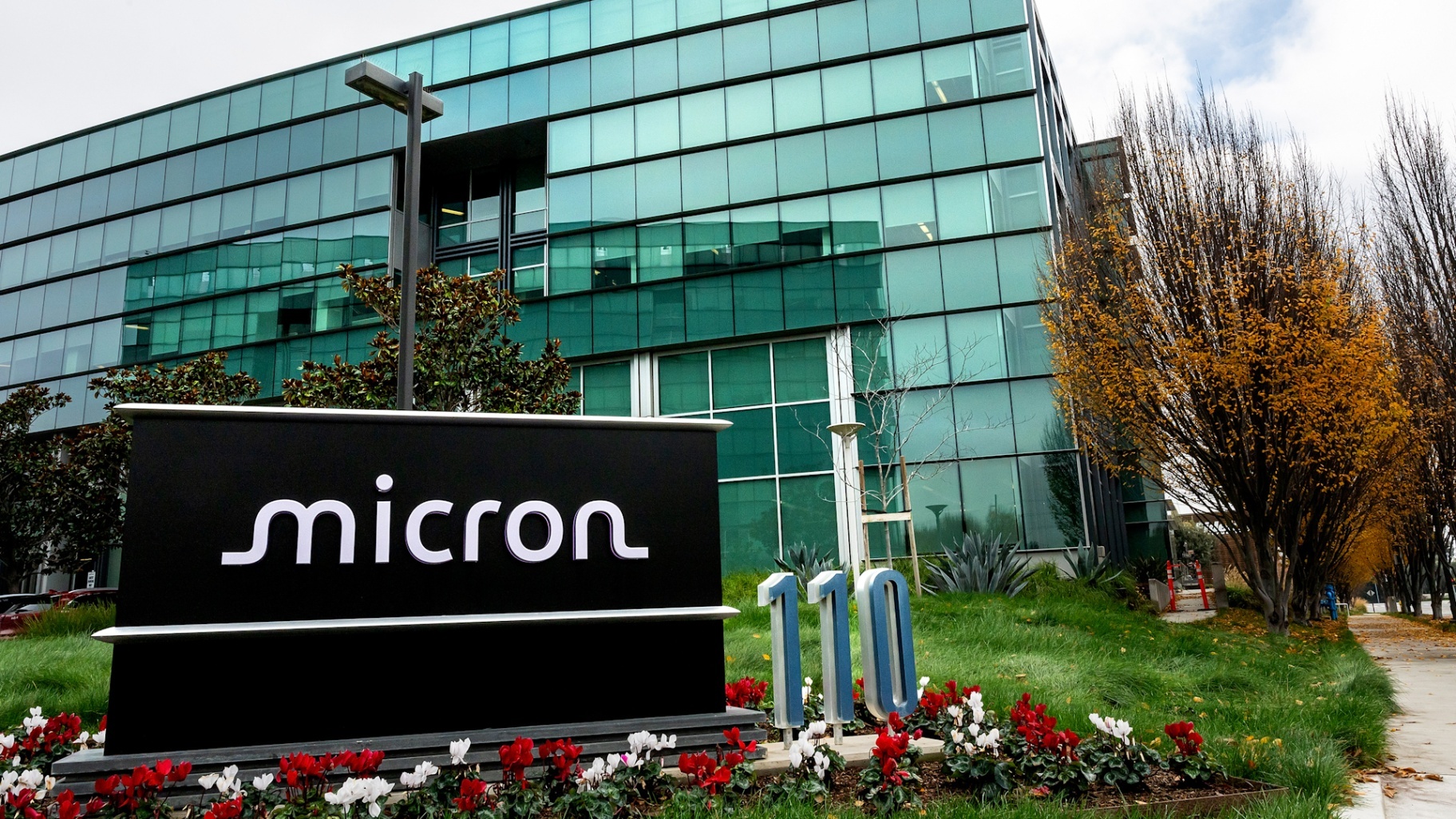
Micron’s shocking announcement in December 2025 that it will retire its Crucial consumer brand by early 2026 has sent ripples through the PC hardware community. Crucial – Micron’s decades-old, budget-friendly line of RAM modules and SSDs – will vanish, as Micron reallocates production to high-margin AI and enterprise customers. For years Crucial was “the safe, no-drama choice” for DIY upgrades, often undercutting premium brands on price and keeping memory costs “honest” for budget-conscious gamers and PC buildersdigitaltrends.com. Its exit leaves one less major player vying for limited consumer memory chips, at a time when global RAM and flash supply is already strained by surging AI data-center demand. In practical terms, PC builders are likely to face tighter supply and higher prices on both RAM and SSDs in 2026, as industry experts warn of a looming shortage lasting into 2027 or beyond.
Emerging trends suggest that by 2026 the consumer memory market will be markedly smaller and costlier. Micron will continue shipping Crucial-branded products only until inventory runs out (through February 2026) and honoring warranties, but no new consumer DRAM or SSD models will replace them. Industry sources note that this reduction in competition, combined with memory manufacturers diverting capacity to high-bandwidth HBM chips for AI, will squeeze PC-grade DRAM (like DDR5) and NAND flash supplies. Contract prices for commodity DRAM and NAND nearly doubled in late 2025, and spot prices for a single DDR5 memory die leapt from under $7 to over $27 in a few months. Major analysts now warn that these “memory shortages could persist into 2027”. In short, PC builders should brace for a continuation of the RAM/SSD price spike in 2026, amplified by the loss of Crucial as a consumer-level supplier.
Crucial’s Exit: What’s Changing for Consumers
On December 3, 2025, Micron formally announced that it would discontinue the Crucial brand’s consumer RAM and SSD lines, exiting the DIY memory market by February 2026. This “difficult decision” was driven by “a surge in demand for memory and storage” from AI data centers, which are far more lucrative customers than home PC users. Crucial has long been Micron’s face in the retail channel – selling directly to end-users. It offered a friendly ecosystem of compatible upgrades (with tools like its online compatibility checker) and frequently undercut premium vendors on price. With Micron now concentrating on enterprise and hyperscale segments, Micron will funnel all future production of DRAM and NAND chips into server/HPC products, leaving budget shoppers with fewer big-name choices.
Existing Crucial stock will remain on store shelves until depleted, and Micron will honor warranties on purchased Crucial components. But after inventory runs out, PC buyers will see no new Crucial kits or drives. As Digital Trends observes, “the safe, no-drama choice for upgrading… is now fading away”. The immediate effect is psychological as well as practical: the disappearance of a trusted brand removes a “reliable middle ground” in the market. Without Crucial, enthusiasts may have to rely more on other brands—both familiar and unfamiliar—to fill that void. Micron itself will still sell memory chips to module makers (for instance, custom or OEM orders), but won’t market them under Crucial’s consumer-friendly label.
In essence, Crucial’s exit signals a corporate realignment. Micron is “shuttering” the consumer arm to improve supply for strategic, large-volume customers. In plain terms, PC upgrades are no longer a priority. As The Verge bluntly puts it, “sorry, PC gamers, but you’re no longer worth selling RAM to”. For DIY builders, the change is a gut punch: one of the market’s pillars of affordable memory is about to vanish just as prices are exploding. Analysts note that fewer consumer-focused suppliers means even less competition to keep prices down. In practical terms, PC builders who relied on Crucial kits for hassle-free upgrades will now have to shop around more carefully or pay premiums to other brands.
AI Demand Drives a Global Memory Crunch
Crucial’s demise is part of a much larger story: an unprecedented memory supply squeeze fueled by the AI boom. Nearly every industry forecaster now warns of looming DRAM and NAND shortages that will push RAM and SSD prices “skyrocketing over the coming months and years”. The root cause is simple: AI data centers are gobbling up the world’s memory production. Training and running large language models and other AI workloads requires massive banks of DRAM and high-bandwidth memory (HBM). For example, OpenAI reportedly struck deals with SK Hynix and Samsung to acquire up to 900,000 DRAM chips per month for its “Stargate” AI project. Those orders dwarf typical consumer needs by orders of magnitude. Meanwhile, cloud giants like Google, Microsoft, and Amazon are collectively securing memory capacity years in advance.
Major chip manufacturers are responding by reallocating capacity from commodity memory toward high-end products. Samsung and SK Hynix have explicitly prioritized AI-oriented memory (HBM and next-gen LPDDR5X) over DDR5 and standard NAND production. Even within Samsung, factories that once made both DRAM and flash are being retooled: Samsung announced it will favor DRAM production at the expense of NAND. The result is that by late 2025, the supply of “commodity” memory – the DDR kits and SSD controllers PC builders depend on – has dried up. TeamGroup’s GM warns that contract prices for DRAM and NAND have almost doubled in recent months, and that availability will only worsen in early 2026. Indeed, spot prices for DDR5 chips spiked from ~$6.84 in September to over $27 in early December 2025.
Reports from the industry illustrate the severity. According to Reuters, global DRAM and NAND inventories at suppliers have plunged: where vendors held 13–17 weeks of inventory in late 2024, by October 2025 that had fallen to just 2–4 weeks. In practical terms, retailers and system builders are running out of memory stock faster than they can restock. Even Japanese electronics stores have begun rationing memory and storage purchases due to shortages. For PC builders, this means that if demand outstrips supply (even among those willing to pay more), memory components will become scarce. As one industry CEO noted, the current supply chain can’t keep up with the physical requirements of the AI boom.
Alongside factory allocations, geopolitical factors also tighten supply. Recent U.S. export restrictions on Chinese memory fabs mean there are even fewer independent chipmakers in the mix. In short, the same forces fueling GPU shortages are at work for memory: multi-year build times for new fabs (3+ years for a new DRAM fab) mean short-term shortages. Experts agree relief won’t come quickly. Memory contract prices could remain elevated well into late 2027 or beyond, until new production capacity comes online.
Impact on PC Builders and Consumers
With Crucial gone and remaining suppliers shifting focus, DIY PC builders are bracing for pain. Enthusiast forums and retailers already report that standard DDR5 kits are orders of magnitude more expensive than just months ago. For instance, a 64GB DDR5 kit that sold for around $170 in mid-2025 now fetches upwards of $600 or more – roughly three times the price. Insider reports show some 32GB and 64GB kits surging over 150–250% in price in late 2025. This reflects both contract cost increases and panic buying in the face of dwindling inventory.
Crucial’s exit compounds these trends. As Micron shifts the party toward servers, PC upgrades will become “harder and pricier”. One blogger notes that Crucial often acted as a price stabilizer: its departure means “fewer big-name players focused on budget and mid-range buyers”. In practice, that means budget PC builders may see more reliance on lesser-known or OEM brands whose quality they trust less. The new market reality is that “future buyers may have to rely more on third-party brands they don’t fully recognize, or pay a premium for remaining ‘trusted’ names”.
Major system integrators are already responding. CyberPowerPC announced RAM price hikes for U.S. and U.K. customers in late 2025. Framework (the laptop maker) temporarily stopped selling standalone RAM to “ward off scalpers” amidst the crisis. Even companies like Raspberry Pi have raised their product prices due to rising memory costs. PC builders should expect to see fewer plug-and-play options and a crowded field of obscure brands as older inventory dries up. In the worst case, some prebuilt PCs and laptops might ship with less RAM than planned, or costs may creep up on mainstream devices.
An ironic knock-on effect is on GPUs. PC Gamer reports that Nvidia is said to be shipping GPUs without VRAM, leaving board partners to source RAM on their own – a clear sign of memory tightness even in graphics cards. This suggests graphics card prices could also tick up if partner stocks are hard to secure. In short, memory shortages are not isolated; they threaten to inflate costs across the PC, workstation, and even smartphone markets.
Alternative RAM and SSD Brands
With Crucial off the table, PC builders will need new suppliers for memory and storage upgrades. Who are the likely alternatives? Fortunately, several big-name brands remain active, but each comes with caveats.
RAM kits: The underlying DRAM chips will mostly come from the same giants (Samsung, SK Hynix, and to some extent Micron for OEMs), but module brands package them in different ways. Established kit manufacturers include Corsair, Kingston (including its HyperX sub-brand), G.SKILL, and TEAMGROUP (T-Force). These companies use high-quality dies and are well-known in the gaming community. Corsair’s Vengeance series, G.SKILL’s TridentZ, and Kingston’s Fury RAM are all widely respected. However, even these brands can only sell what DRAM capacity they can procure, and global shortages mean they might also limit production. Smaller brands like Patriot, ADATA (XPG), Mushkin, and Patriot could fill gaps on the lower end, but buyers may have to research compatibility more carefully.
According to industry observers, brands like Corsair, G.Skill and Kingston are poised to see increased demand as Crucial fades away. Digital Trends similarly suggests consumers will “lean harder on brands like Samsung, Kingston, and WD” (Samsung’s name here refers to Samsung’s SSD line, but it also markets some memory). It’s worth noting Samsung (a top DRAM and NAND maker) rarely sells its own RAM sticks in many regions, focusing on SSDs (the Samsung 990 and 970 series) and OEM deals. But Samsung is the largest memory supplier overall, so PC parts from Samsung are likely to retain strong support for some time.
SSD drives: The SSD market has more breadth. Samsung’s SSDs (EVO, PRO series) and Western Digital’s (WD Black SN850/870) are premium-tier favorites. Seagate/Kioxia offers NVMe drives (BarraCuda), and Kingston and Crucial (for now) fill many budget niches. With Crucial departing, brands like ADATA (XPG), Corsair, TeamGroup, Patriot, and Mushkin will step into any gaps, assuming they can source NAND chips. Controllers from firms like Phison and Silicon Motion will be critical – Phison warns that all its 2026 SSD output is already sold. In practical terms, look for Samsung 990/XEVO, WD SN850X/SN770, Sabrent’s Rocket series, or TeamGroup’s MP-series NVMe drives as alternatives. However, even best-of-breed SSD models may see price hikes; one report shows SanDisk’s suppliers raised NAND costs by 50% in a single month.
It’s also possible that non-traditional players could rise. For instance, Chen Ximing (CXMT), a Chinese DRAM maker, is ramping up production of commodity DRAM, but U.S. sanctions limit its global reach. Chinese domestic SSD brands (e.g. Netac, etc.) serve local markets. For international builders, sticking with the major brands and buying early is prudent. In summary, while Crucial’s disappearance removes a familiar option, PC builders still have an array of brands to choose from – but they should be prepared to compare specifications and warranties carefully, since the “Crucial just works” guarantee is gone.
Supply Chain and Industry Factors
Beyond brands, multiple supply-chain dynamics are at play. Key factors include factory allocations, capacity investment timelines, and market segmentation:
- Factory Allocations: Memory fabs are shifting their pipelines. As noted, Samsung and SK Hynix have retooled lines to crank out HBM and LPDDR5X for AI, often at the expense of commodity DDR5 and TLC NAND production. This means physical wafers that could have been used for PC DRAM or SSD flash are instead repurposed. NAND flash production is similarly under strain: in late 2025, a 1Tb TLC NAND chip roughly doubled in price. Firmware and controller companies (Phison, Silicon Motion) report that virtually all 2026 production is already accounted for by hyperscalers. In plain terms, capacity is booked up by large data-center contracts.
- New Fab Lead Times: Building new memory fabs takes years. Even if Samsung, SK Hynix, or Micron announced new DRAM or NAND plants today, they wouldn’t come online until ~2028 or later. And initial yields are often low (e.g. latest DRAM nodes are only 50–70% functional). So supply can’t rapidly expand. Meanwhile, older 1Xnm DRAM processes are winding down as AI chips use cutting-edge processes, further limiting older DDR5 capacity.
- Geopolitical Constraints: U.S. export bans on Chinese memory makers (e.g. CXMT and YMTC) remove potential new suppliers from the global market. Additionally, government incentives (like the CHIPS Act) are still ramping up. In short, there is no quick policy fix for 2026.
- Inventory Crunch: Distributors worldwide show nearly empty shelves. Reuters notes that average DRAM vendor inventories fell from 13–17 weeks in 2024 to just 2–4 weeks by late 2025. Asian retailers (in Japan and China) have begun imposing purchase limits on RAM and storage. Even global shipping and logistics hiccups (e.g. container shortages) could delay transfers of what little memory is available.
- AI vs Consumer Market: Industry analysts describe a bifurcated memory market. Cloud and AI providers (Nvidia, Google, Microsoft, etc.) are “writing bigger checks” and effectively crowding out consumer demand. The result is a “two-tier market” where mainstream PCs and smartphones struggle to get chips. Notably, smartphone manufacturers (who also rely on DRAM and NAND) have warned of price hikes for phones due to memory cost inflation. Apple, Samsung, and others are likely negotiating heavy memory contracts themselves, leaving less spare capacity for the aftermarket.
- Broader Tech Impact: Memory is one piece of the squeeze. Hard drives and even supplies of copper (for data centers) have seen constraints. The bottom line is a “convergence” of shortages across components. For the PC market, this means high material costs across the board, which could also raise prices of motherboards, CPUs, and GPUs, not just RAM/SSDs.
Pricing Trends and Forecasts
The evidence is clear: RAM and SSD prices have been rising sharply in 2025, and analysts see no quick reversal. A sampling of recent pricing trends:
- DRAM Modules: Data from Tom’s Hardware and Insider reports show DDR5 kit prices surging. For example, one source found that a 32 GB DDR5-6000 kit jumped from ~$100 to ~$300 in months, and 64 GB kits climbed from ~$239 to ~$1,194 – over four times original price. TeamGroup estimated that a 16 Gb DDR5 chip’s spot price quadrupled in a few months. The cost to build a 16 GB module has reached ~$225 excluding profit, whereas pre-2024 it was a fraction of that. Industry trackers already record weekly price spikes, with one report noting DDR5 prices up ~60% month-over-month in late 2025.
- NAND Flash / SSDs: SSD component costs are climbing too. TrendForce and PC Gamer note that wafer prices jumped 20–60% in November 2025. Phison’s CEO revealed a 1 Tb TLC flash chip cost jumped from $4.80 (summer 2025) to $10.70 by late 2025. Consequently, SSD module inventories have dried up; Phison reports that “all the SSDs we will produce in 2026 are already sold”. At the retail level, triple-level-cell (TLC) SSDs – the mainstream high-performance drives – are becoming noticeably pricier. PC Gamer’s Black Friday tracker found that NVMe SSD prices, after a brief dip, are now rising again from a higher base. For perspective, a 2 TB NVMe drive that once sold near $120 now routinely goes for $150–$200 or more.
- Contract vs Retail: Both wholesale (contract) and retail prices are escalating. Global contract DRAM prices rose up to 100% in November 2025. Memory suppliers like Samsung have reportedly delayed publishing official prices due to market volatility. On the street, some U.S. and UK system builders have already announced RAM surcharges. In summary, every credible source indicates that the downward trend of 2022–23 has reversed. Price charts show a steep upward curve in the last year.
- Future Outlook: Industry voices uniformly predict high prices persisting. TeamGroup’s GM said shortages could last into late 2027 at the earliest. Computer Weekly reports analysts expect DRAM prices not to stabilize before mid-2027. Tom’s Hardware editors note that a “pricing apocalypse” might stretch a decade. This doesn’t mean you’ll never find a sale, but any reductions will be from a much higher baseline. Given the time required to ramp new capacity, most experts advise consumers to plan for elevated memory and SSD costs through at least 2026.
Upgrade Now or Wait? Buyer Recommendations
Given the dire signals, many PC enthusiasts are asking: should I buy RAM/SSDs now or wait for prices to come down? The consensus advice is buy sooner rather than later – especially if you need the upgrade. Major system builders are already warning customers not to hold off. Maingear CEO Wallace Santos told PC Gamer that “prices will continue to rise and then we will eventually have to increase our lead times as stock and allocation becomes constrained”. His recommendation: consumers interested in a new PC or upgrades “should consider shopping now” to avoid future hikes. Likewise, Digital Trends bluntly suggests that if you were already planning a RAM or SSD upgrade, “this might be the moment to move,” since Crucial’s inventory (and others’) will dry up soon. Even if you find a Black Friday or Cyber Monday deal, it may well be the last meaningful sale before prices climb higher.
To put it plainly, delay likely means paying more later. For a build due in 2026, locking in RAM and SSDs now could save hundreds of dollars. Of course, not everyone needs to upgrade immediately. If your current system is adequate, waiting until mid- to late-2026 (or even 2027) could see some new capacity and mild price relief – but that’s speculative. Reports suggest no quick turnaround, so intentional procrastination is risky. If the budget is tight, consider alternative strategies like buying slightly smaller kits or multi-step upgrades (e.g. upgrade RAM now, SSD later) rather than skipping it entirely.
On the other hand, some buyers may pivot to existing older solutions. For example, DDR4 RAM is still available and may see less pressure (though even DDR4 is rising as stocks run out). If you have a dual-slot motherboard, adding one 32 GB stick now and another later might spread costs. For storage, one could temporarily use a smaller SSD plus external HDD, though this is a stopgap.
Another angle: prebuilt PCs or laptops. As PC Gamer noted, memory shortages are making prebuilt gaming PCs relatively more attractive, since OEMs may absorb costs or use global contracts. However, beware that even prebuilt machines are slowly raising prices as component costs bite. Always compare the cost-per-gigabyte and total system price. If you see a good deal on a laptop with ample RAM, it might be more cost-effective than sourcing parts separately in the short term.
In summary: If an upgrade is not urgent, you might choose to wait, but with caution. Experts lean strongly toward “don’t wait” — especially if Crucial-compatible kits were on your list, because those will vanish. For essential upgrades (like going from 8 GB to 16 GB of RAM for new games), now is likely better than later. For optional tweaks (like over-the-top high-frequency kits or extra SSD capacity for archival), you may accept higher pricing or limited options. But be aware: the window for affordable, easy upgrades is closing.
Macroeconomic and Industry Context
The memory shortage is not just a hardware hassle; it reflects broader industry shifts. Economists warn that this could become a macroeconomic issue. Consumer devices (PCs, phones, even cars with infotainment systems) all rely on cheap DRAM and flash. Prolonged high memory costs could slow down tech product shipments and dampen AI rollout in consumer gadgets.
Tech industry reports note that memory scarcity could inflate inflation figures and delay big infrastructure projects. Companies like Apple, Google, and Huawei may choose to pass on higher component costs to consumers, potentially raising prices of new devices in 2026. Some analysts even suggest a structural change in the PC market – with smaller vendors struggling or consolidating as procurement becomes difficult.
However, some longer-term positive notes exist. Memory suppliers are heavily investing now. Micron plans multi-billion-dollar fabs for advanced AI memory in Japan, and Samsung and SK Hynix are expanding HBM lines. Over time, this may ease enterprise memory crunches, but consumer memory might remain de-emphasized. It’s also possible that once the AI data-center frenzy stabilizes, more DRAM capacity will be redirected to PCs. For example, the planning and building of new fabs (2-3 years out) suggests a turning point around 2028 or later. Until then, the consensus is that AI demand trumps PC demand.
For PC builders and gamers, the practical takeaway is clear: their needs are being de-prioritized. Even as technology advances, the friendly “memory market” that thrived on the DIY hobbyist is being upended by enterprise economics. The next few years will likely see PC upgrades becoming a luxury compared to building an AI server. It’s a historic shift — a reminder that in the current tech landscape, algorithm-driven growth often wins out over grassroots computing.
Conclusion
The Crucial brand’s sunset is emblematic of a new era in semiconductors. For PC builders, this means one less familiar ally in an increasingly tough memory market. Given multiple industry analyses, it’s prudent to expect continued RAM and SSD shortages through 2026 – and likely higher prices as a consequence. Alternative brands and suppliers exist, but they all draw from a shrinking pool of DRAM and NAND chips. Supply-chain constraints (from AI priorities to fabrication lead times) imply that consumer memory components will be tight for years.
In this environment, PC enthusiasts should tread carefully. If you need upgrades in 2026, consider buying sooner rather than later, while inventory and deals are still available. Evaluate trusted brands like Samsung (for SSDs), Kingston, Corsair, G.SKILL, and WD, and watch for the last Crucial stock sales. Keep an eye on the market – prices are volatile and non-standard.
Ultimately, the Crucial exit should serve as a wake-up call: the days of inexpensive, readily-available memory hardware may be on pause. PC builders can adapt by planning ahead, considering interim solutions (like gradual upgrades), and keeping informed through sources like these. But the broad message is that the RAM & SSD market in 2026 will not look like it did in 2021. Fewer brands, scarcer chips, and AI-hungry customers mean that PC builders will indeed feel the crunch – and will have to strategize accordingly
Also Read: Cloudflare Down Nov 18, 2025: What Caused the Major Global Outage?